Introduction
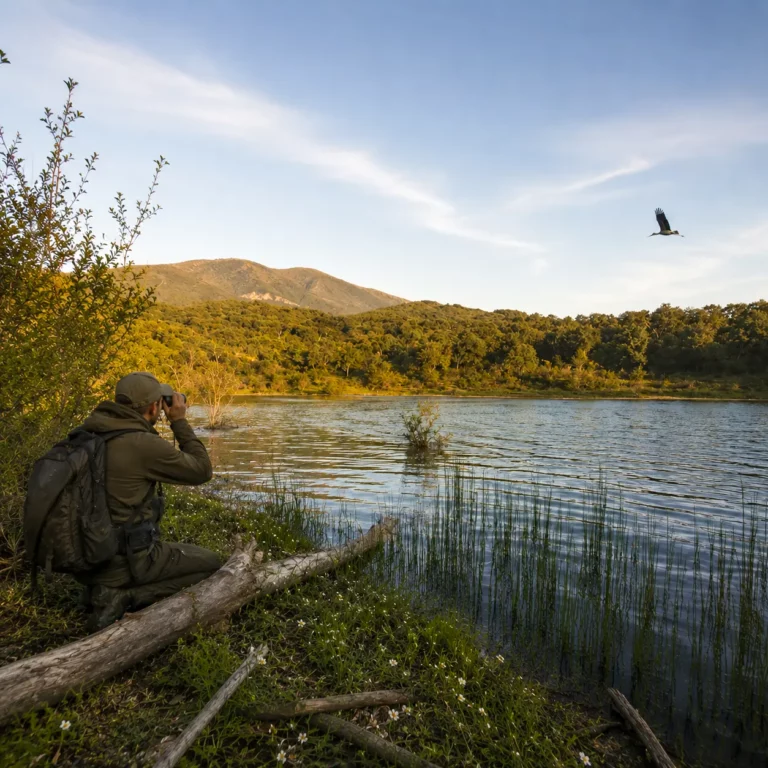
 The Hide
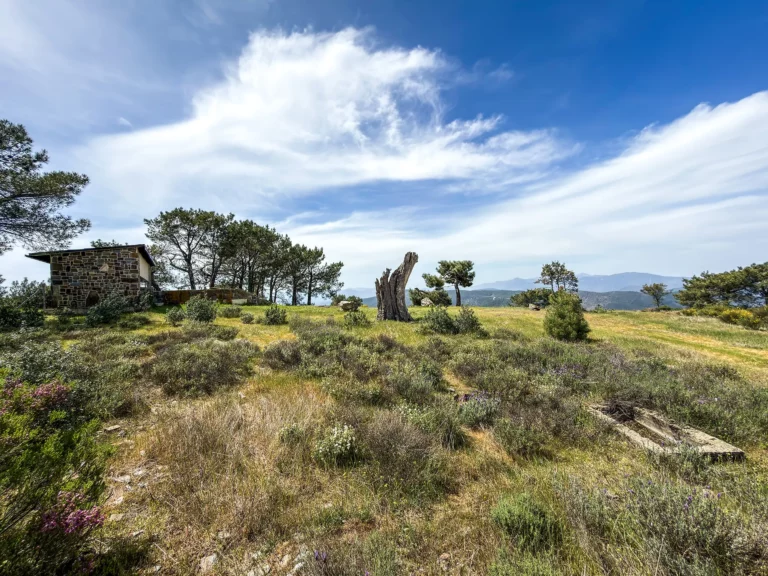
Our hide is the ideal starting point for getting into birdwatching. From a fixed, perfectly camouflaged observation point, you can watch birds at very close range without disturbing them. A unique experience for both birdwatchers and nature photographers, allowing you to enjoy species that are hard to see in other settings.
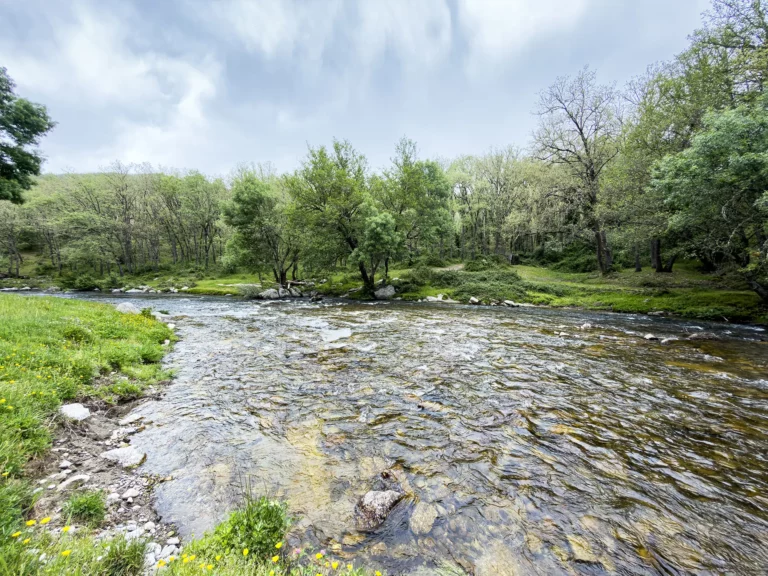 Banks of the Cuerpo de Hombre river
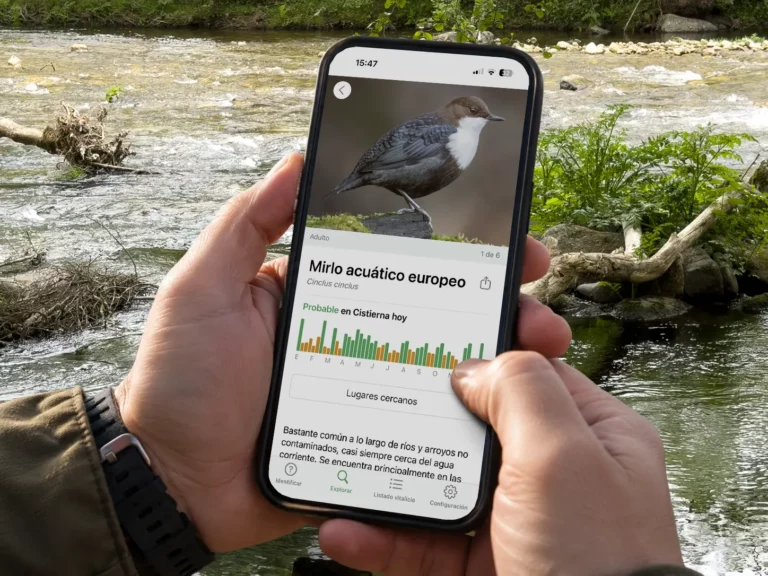
The quality of its waters and the dense riverside vegetation make this river one of the sierra's most special spots. You can see the kingfisher with its unmistakable low flight, the white-throated dipper literally walking underwater, and wagtails moving along the banks. In the calmer stretches it's not unusual to find a grey heron standing motionless, waiting for a fish.
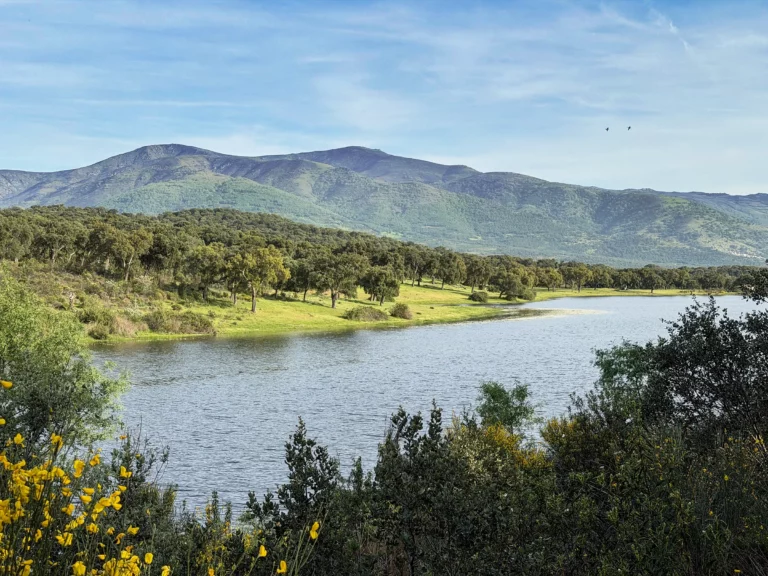 Maside Reservoir
The reservoir's expanse of water acts as a magnet for waterbirds all year round. During the spring and autumn migration you can see ducks and other water-associated birds passing through on their way to their destinations. In winter activity becomes concentrated, and sightings can be especially rewarding.
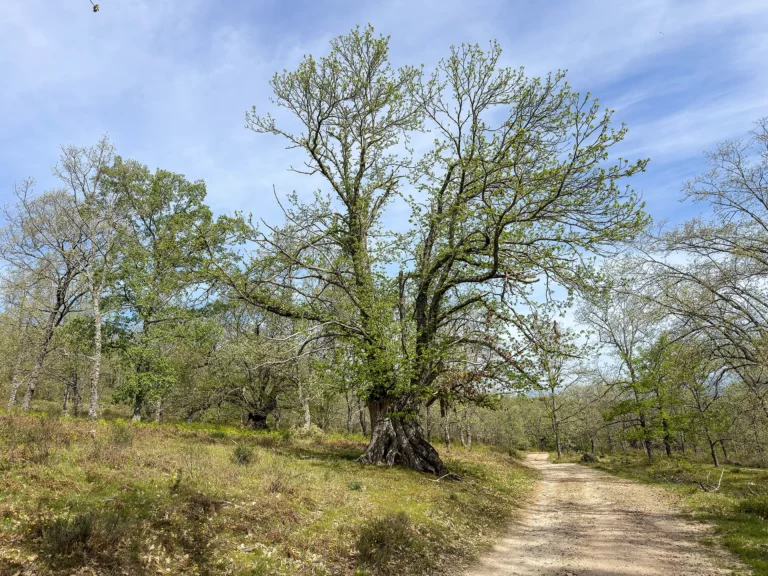 Oak and chestnut woodland
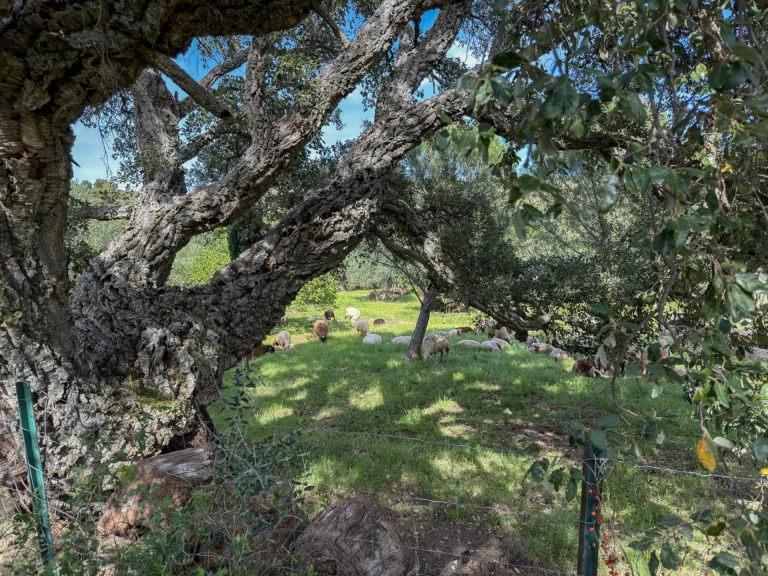
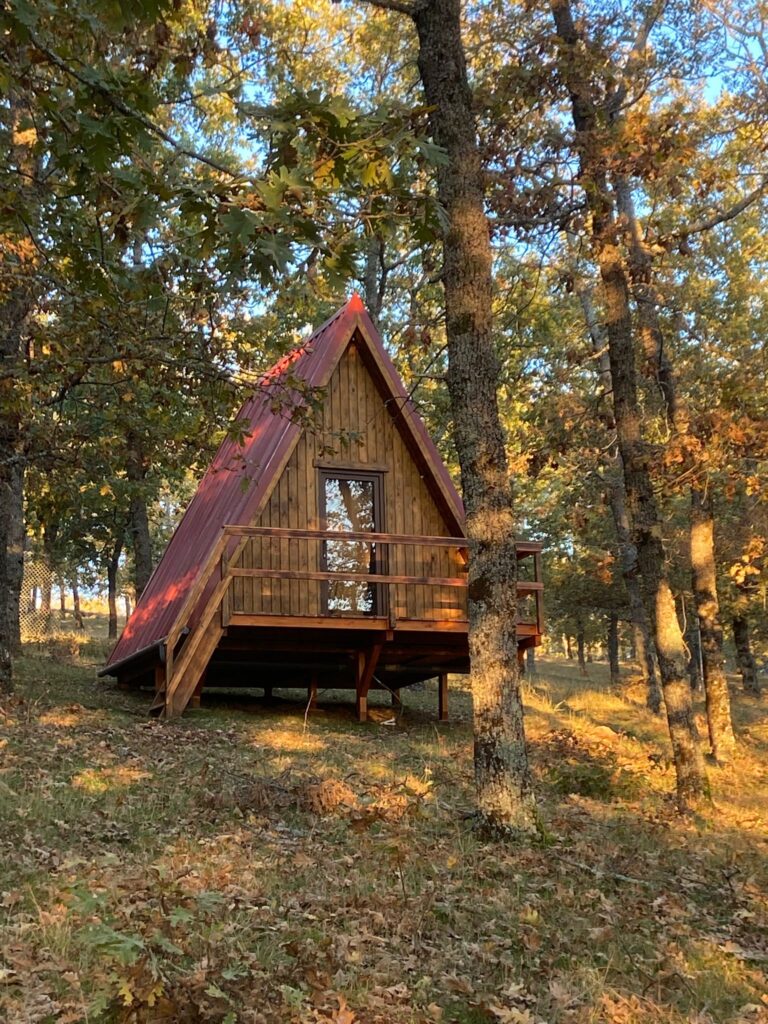
The oak and chestnut woodlands are a hive of activity during spring and summer. Among their branches you'll find the hoopoe with its striking crest and undulating flight, the jay with its surprising colours, and the great spotted woodpecker hammering trunks in search of insects. The nuthatch, capable of climbing down trunks head-first, completes this lively woodland scene.
- Crags and open areas
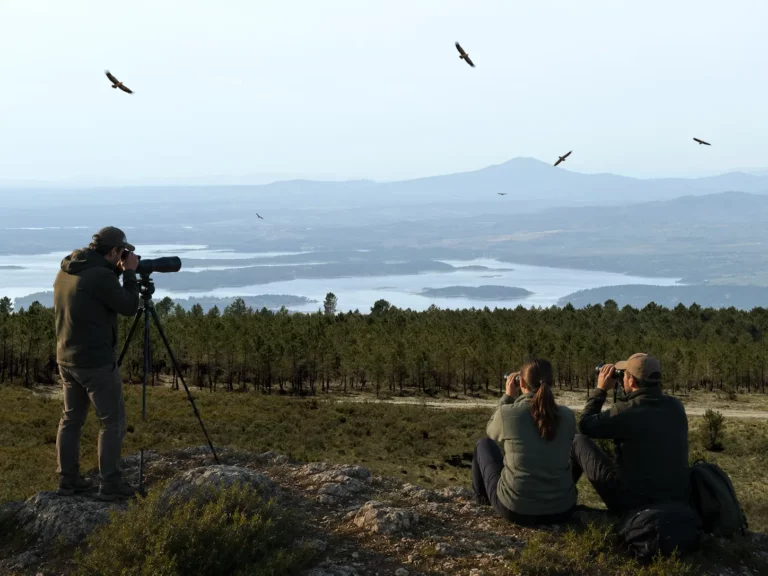
The sierra's rocky cliffs are the natural territory of birds of prey. The common kestrel, with its characteristic hovering as it locates its prey, is one of the easiest birds to see. In the more remote, quiet areas you can watch the griffon vulture gliding on the warm air currents over the ridges.
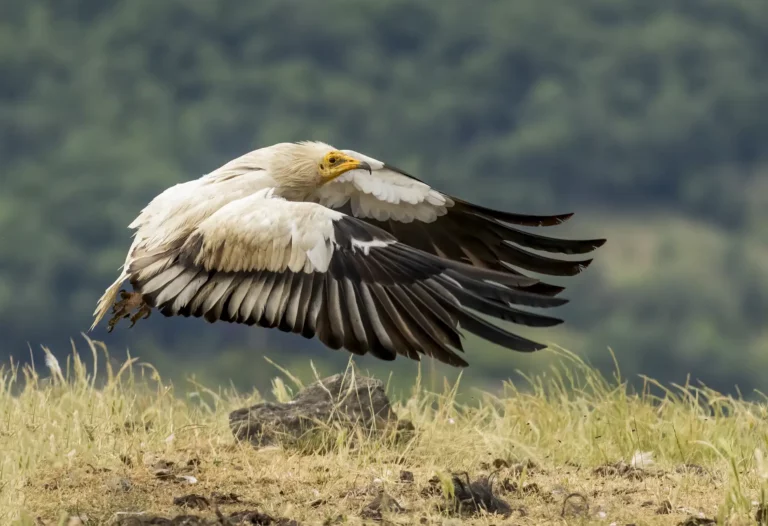
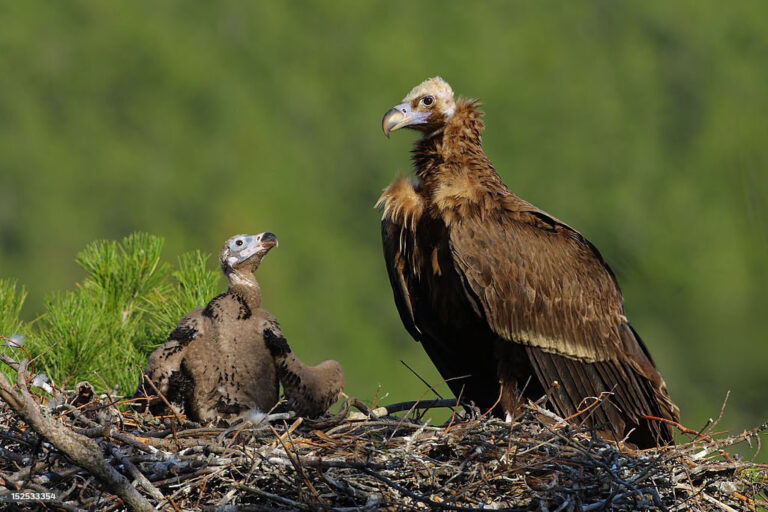
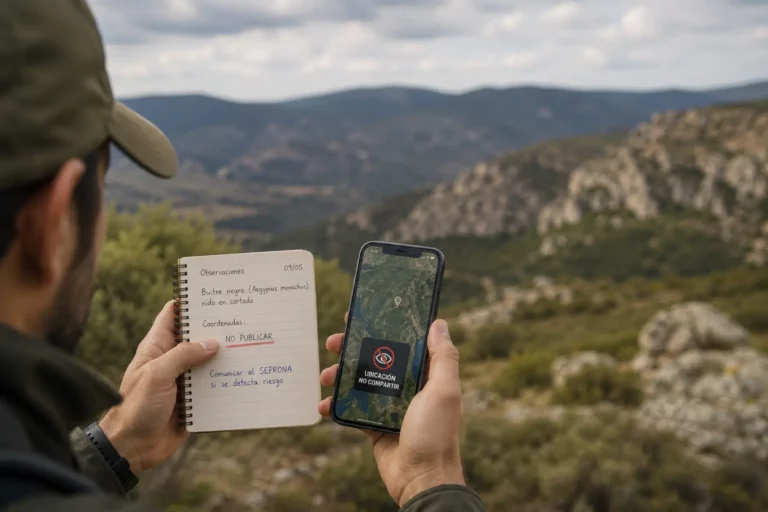
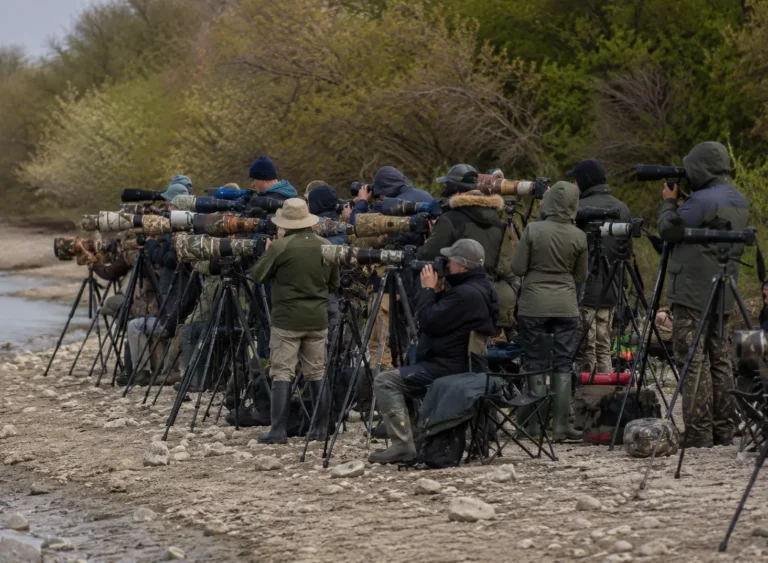
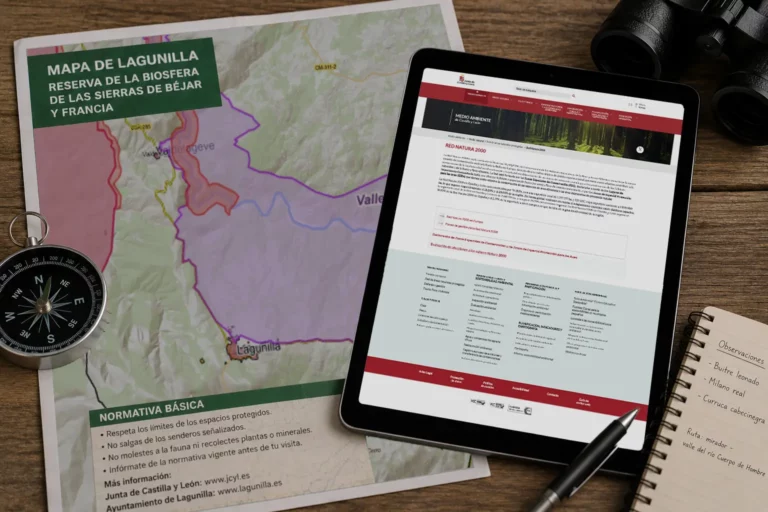
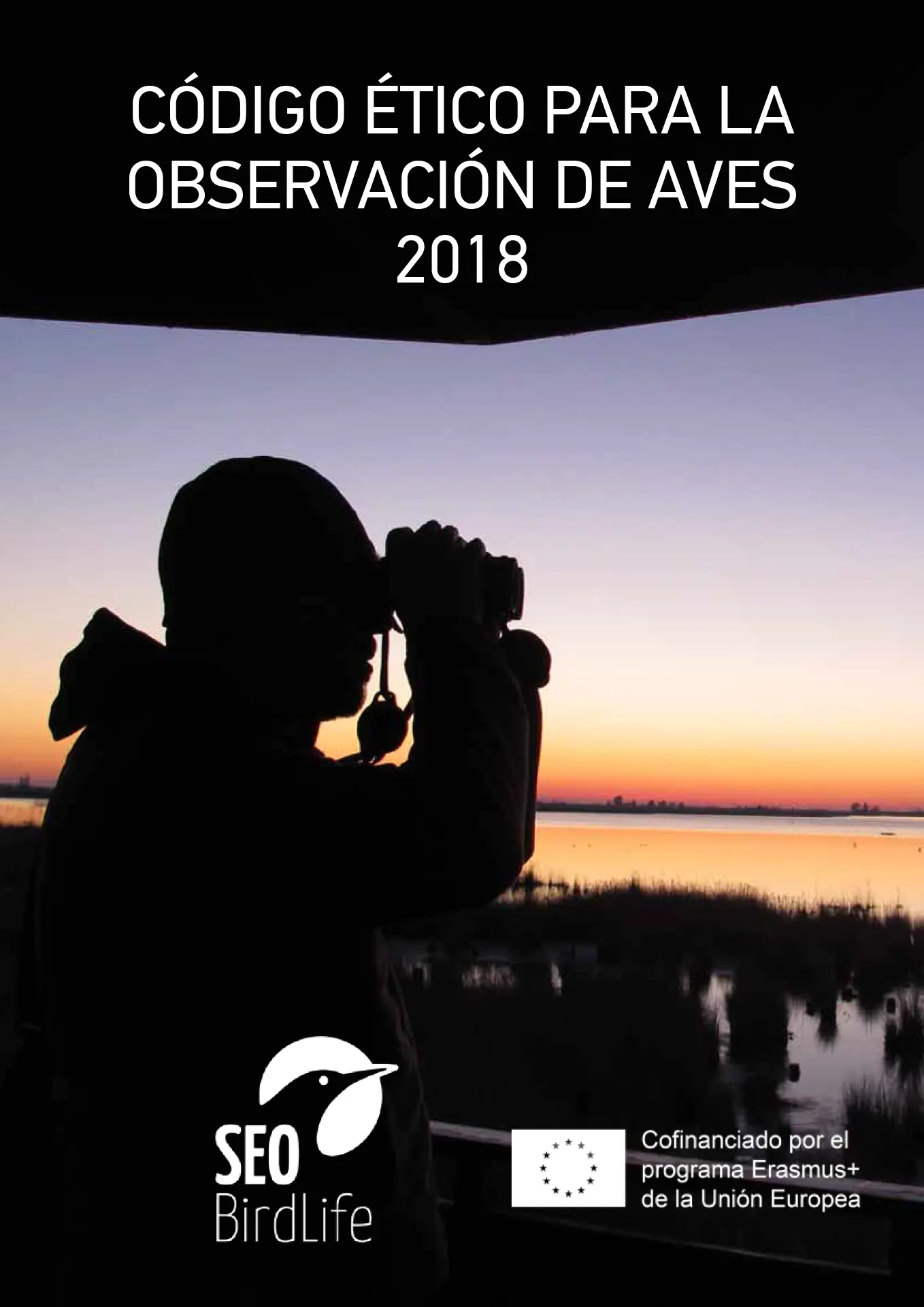
Birdwatching is an activity that grows every year in Spain and around the world. Enjoying the birdlife of the Sierra de Lagunilla also comes with a responsibility: our presence in the natural environment has an impact, even when we don't always notice it. To guide this behaviour, SEO/BirdLife has developed a Code of Ethics for Birdwatching, setting out ten basic principles applicable to any birdwatcher, expert or beginner, local or visiting. In Lagunilla we've adopted these principles as a guide to good practice for everyone who visits our natural spaces. Below you'll find the code's ten points, summarised and adapted to our surroundings. If you'd like to see the full document, you can download it directly from the SEO/BirdLife website.
Recommended equipment