Lagunilla is part of the Ruta del Vino Sierra de Francia, one of Spain's most recognised wine tourism destinations. A land where vineyards climb the slate hillsides in terraces, where the native Rufete grape produces unique wines of fresh, complex elegance, and where wine culture has been woven into village life for centuries.
Visiting a winery, walking among vineyards or sitting down to taste a mountain wine with local produce isn't an extra, it's an essential part of understanding this place.
Featured fact: 56 wine tourism experiences available in the area
D.O.P. mention: a short note on the Sierra de Salamanca Protected Designation of Origin and the Rufete grape
The Sierra de Lagunilla lies within one of the areas with the least light pollution in Spain and Western Europe. Far from urban centres, at over a thousand metres of altitude, the night sky here is another world: thousands of stars visible to the naked eye, the Milky Way visible in summer, and silences that don't exist in any city. You don't need to be an astronomer to enjoy it. Just darkness, time and the will to look up.
Star date: the Perseids, a meteor shower peaking on 12 August every year
Practical tip: new moon = best visibility. Check the lunar calendar before planning your night visit
The Batuecas-Sierra de Francia Natural Park is home to a proposal unique in Spain: the Caminos de Arte en la Naturaleza (Art in Nature Trails), four circular routes of between 7 and 10 km combining hiking with the contemplation of artworks integrated into the landscape. Sculptures, installations and artistic interventions that engage in dialogue with the forest, the water and the stone.
A different kind of route, designed both for art lovers and for those simply looking for a new excuse to head for the hills.
Camino de los Prodigios: between Miranda del Castañar and Villanueva del Conde
Asentadero: Bosque de los Espejos (Mirror Forest) — between Sequeros, Las Casas del Conde and San Martín del Castañar
Camino de las Raíces: around La Alberca
Camino del Agua: between Mogarraz and Monforte de la Sierra
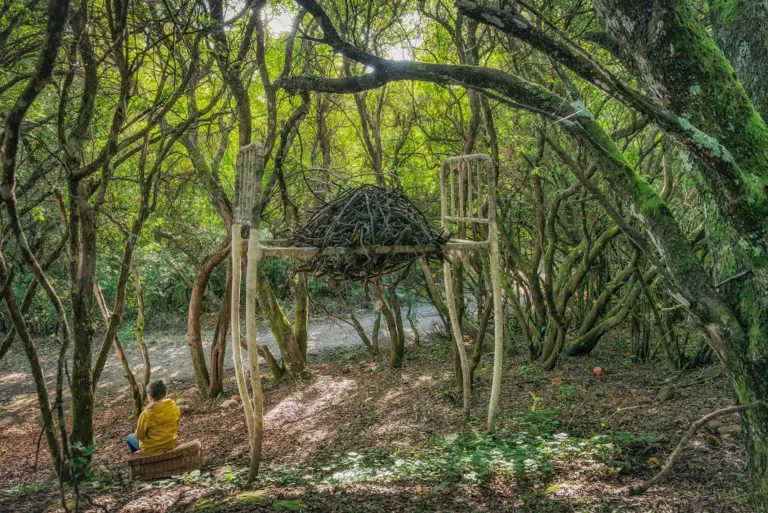 Camino de los Prodigios
Between two medieval villages, art appears where you least expect it. Sculptures and installations that emerge from the path as if they had always been there, inviting you to stop and see things differently.
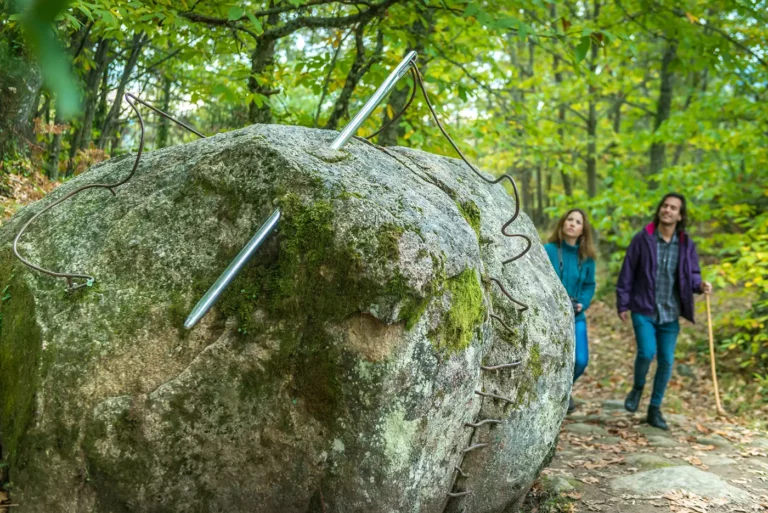 Asentadero · Bosque de los Espejos
The forest reflects itself. A route where nature and art blend until it no longer matters to tell them apart. One of the most striking stretches in the whole sierra.
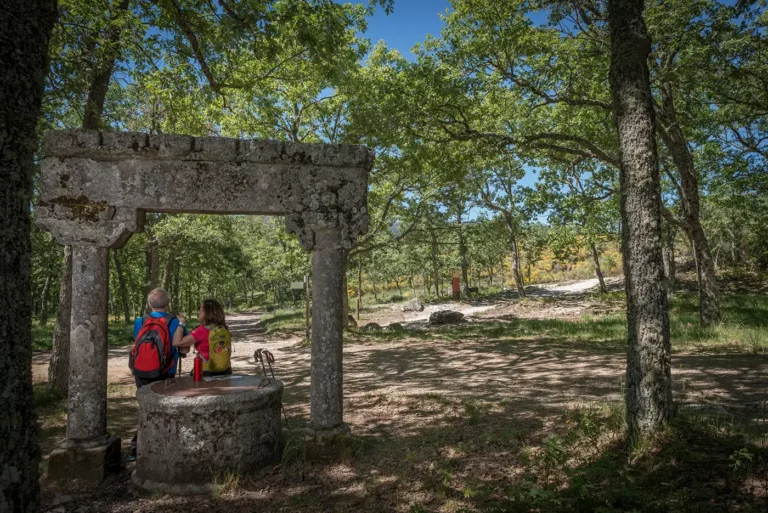 Camino de las Raíces
La Alberca as both starting and finishing point. A circular route around one of Salamanca's most beautiful historic town centres, with works that engage with the land, the trees and local traditions.
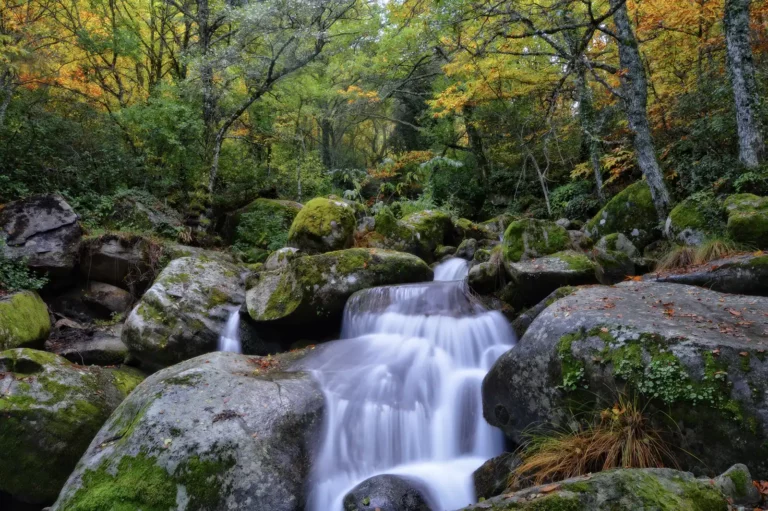 Camino del Agua
The sound of water accompanies every step. Between Mogarraz, known for its portraits painted on house façades, and Monforte, the art follows the course of the river, turning the walk into an experience that blends landscape, history and contemporary creation.
Click on the cards to go to each route's website
Long before any tourist signage existed, pilgrims walking the Vía de la Plata were already taking this detour. The Camino de la Peña de Francia is a historic branch of the Camino de Santiago, nearly 70 kilometres long, starting at Puerto de Béjar, passing through Lagunilla and ending at the Sanctuary of the Virgen de la Peña de Francia, in La Alberca. A route that combines mountains, medieval villages and centuries of spirituality.
Total distance: 72–73 km for the full route, from Puerto de Béjar to the Sanctuary of the Peña de Francia
The route passes through 12 municipalities, with Lagunilla as one of its historic stages
Final destination: the Sanctuary of the Virgen de la Peña de Francia, at 1,727 metres, one of the main pilgrimage sites on the Vía de la Plata
In Cepeda, the portico of the 16th-century Hospital de Peregrinos (Pilgrims' Hospital) is still preserved, a testament to the historic importance of this route
Recommended seasons: spring, summer and autumn
Difficulty: Medium-Low
Cycling routes along tracks and forest paths, with demanding climbs and spectacular scenery
Natural rock faces in the Sierra de Béjar suitable for all levels, from beginners to sport climbing
In winter, the routes up to the peaks become beautiful snow-covered trails
Descending watercourses through riverside vegetation
Beyond the marked trails, the Béjar massif offers more demanding treks
These activities require proper preparation and equipment. Check with local active tourism operators to book them safely.
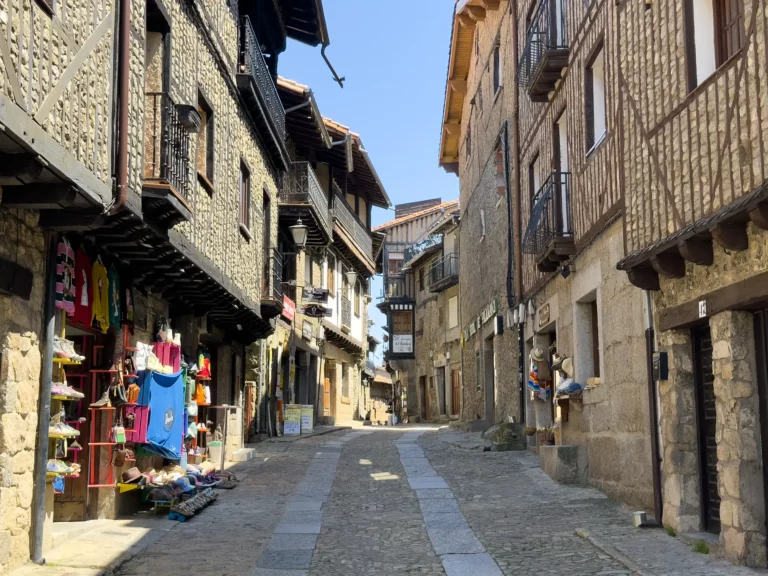 Villages with historic centres
La Alberca
Montemayor del Río
Miranda del Castañar
San Martín del Castañar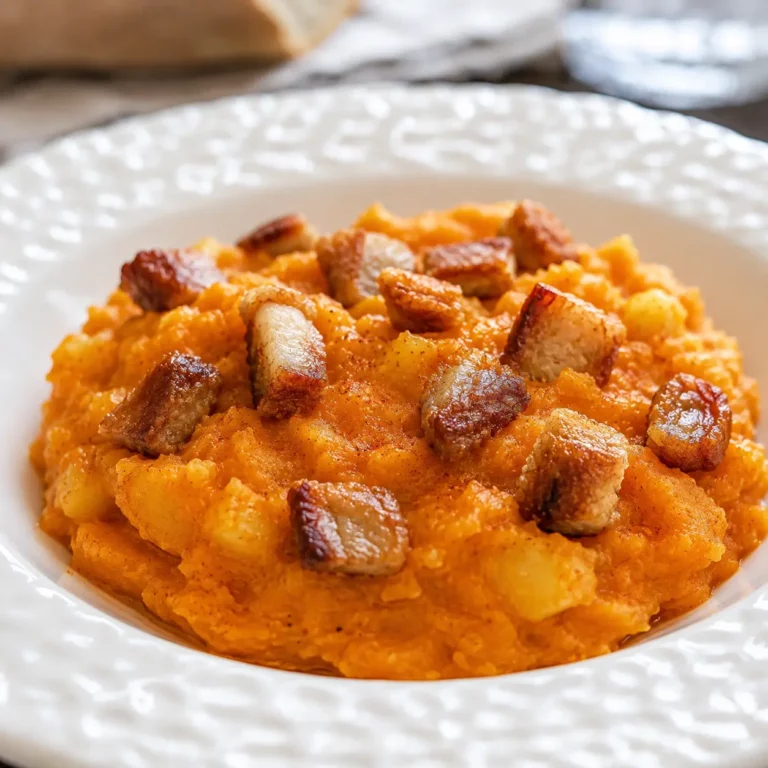 Signature gastronomy
Jamón de Guijuelo D.O.
Patatas meneás
Kid goat (cabrito)
Mountain lemon (limón serrano)
Cherry products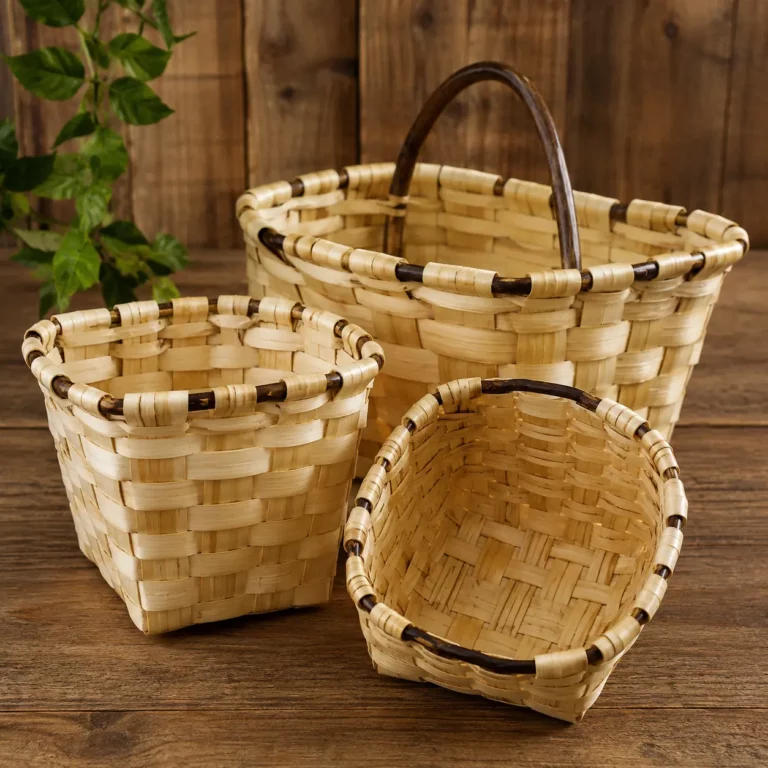 Traditional crafts
Basketry
Pottery
Mountain silverwork
Embroidery on traditional dress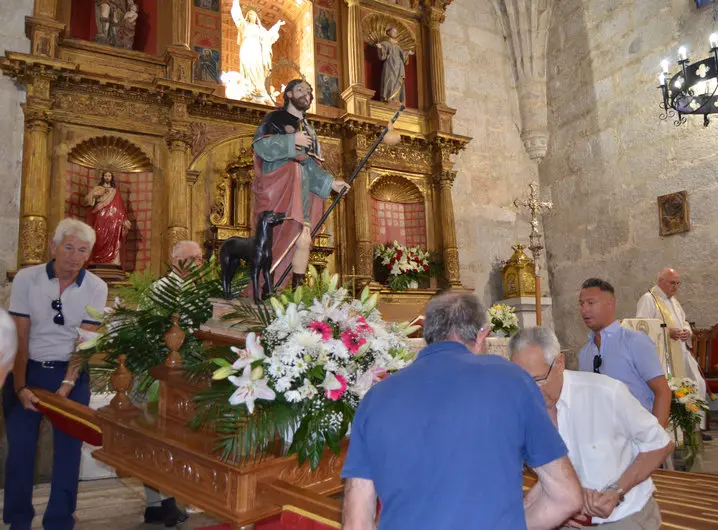 Festivals
Living traditions, many of them directly linked to wine and the farming calendar
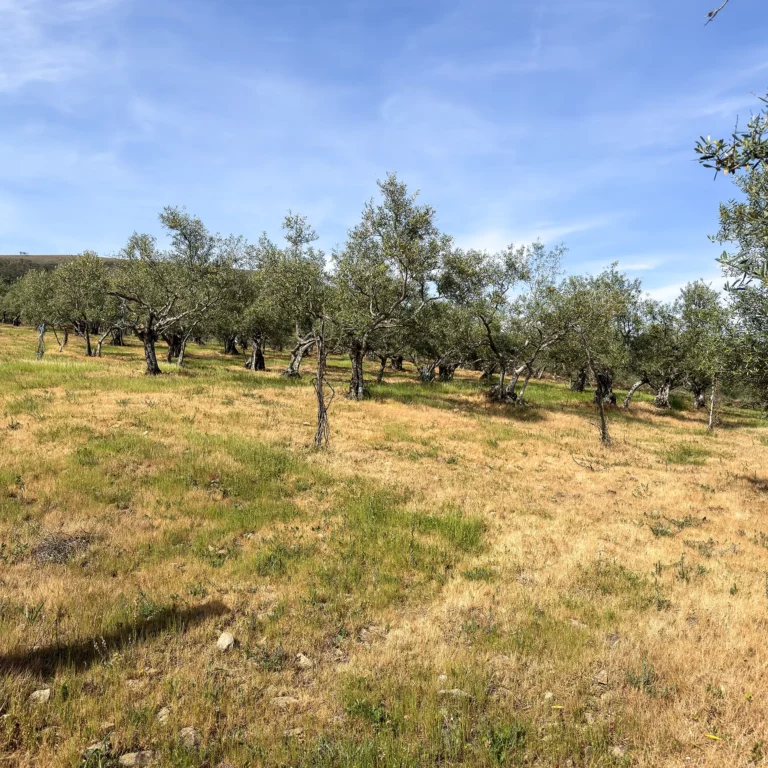 Olive growing and oil mills
The sierra has an olive-growing tradition, producing artisan olive oil. Visiting an oil mill during pressing season (November–January) is a very authentic experience.
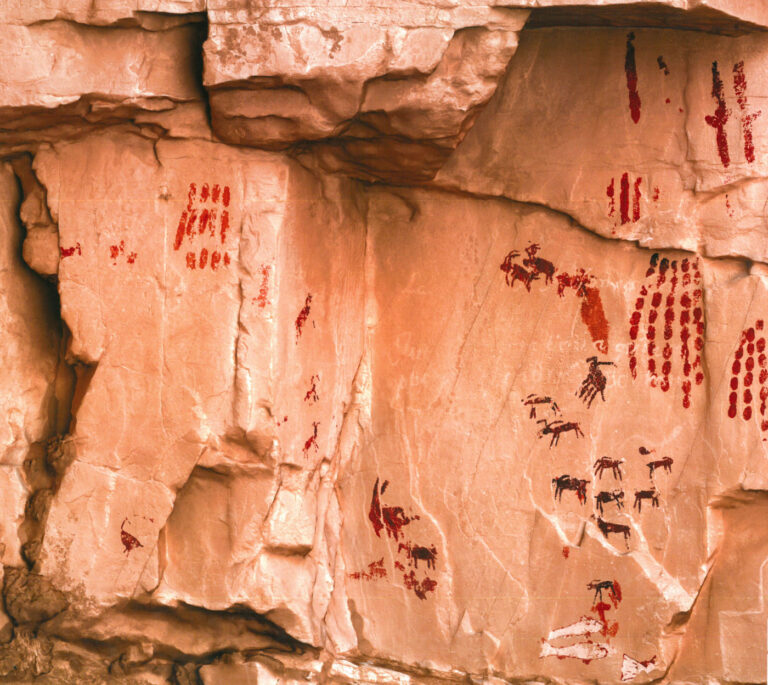 Rock art
The area has cave paintings and archaeological sites such as El Berrueco, adding a historical layer that goes back much further than the medieval architecture.
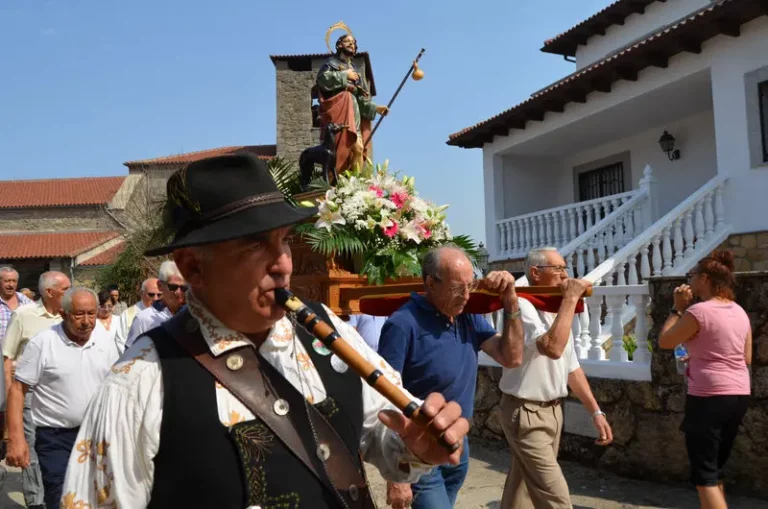 Music and folklore
The bagpipe (gaita) and the tabor drum (tamboril) are the sierra's traditional instruments, present at festivals and celebrations, a distinctive feature compared with other areas of Castilla.
The Sierra de Lagunilla is part of a region that has managed to preserve what matters most: medieval villages with their layouts intact, trades that are still practised, food that needs no reinventing because it was always good.
This isn't a museum, it's a place where history is still happening. Explore designated historic town centres, try products with protected designation of origin, and discover traditions that have shaped this land for centuries.
Villages with historic centres
La Alberca, Montemayor del Río, Miranda del Castañar, San Martín del Castañar...
Signature gastronomy
Jamón de Guijuelo D.O., patatas meneás, kid goat, mountain lemon, cherry products...
Traditional crafts
Basketry, pottery, mountain silverwork, embroidery on traditional dress
Festivals and folklore
Living traditions, many of them directly linked to wine and the farming calendar