
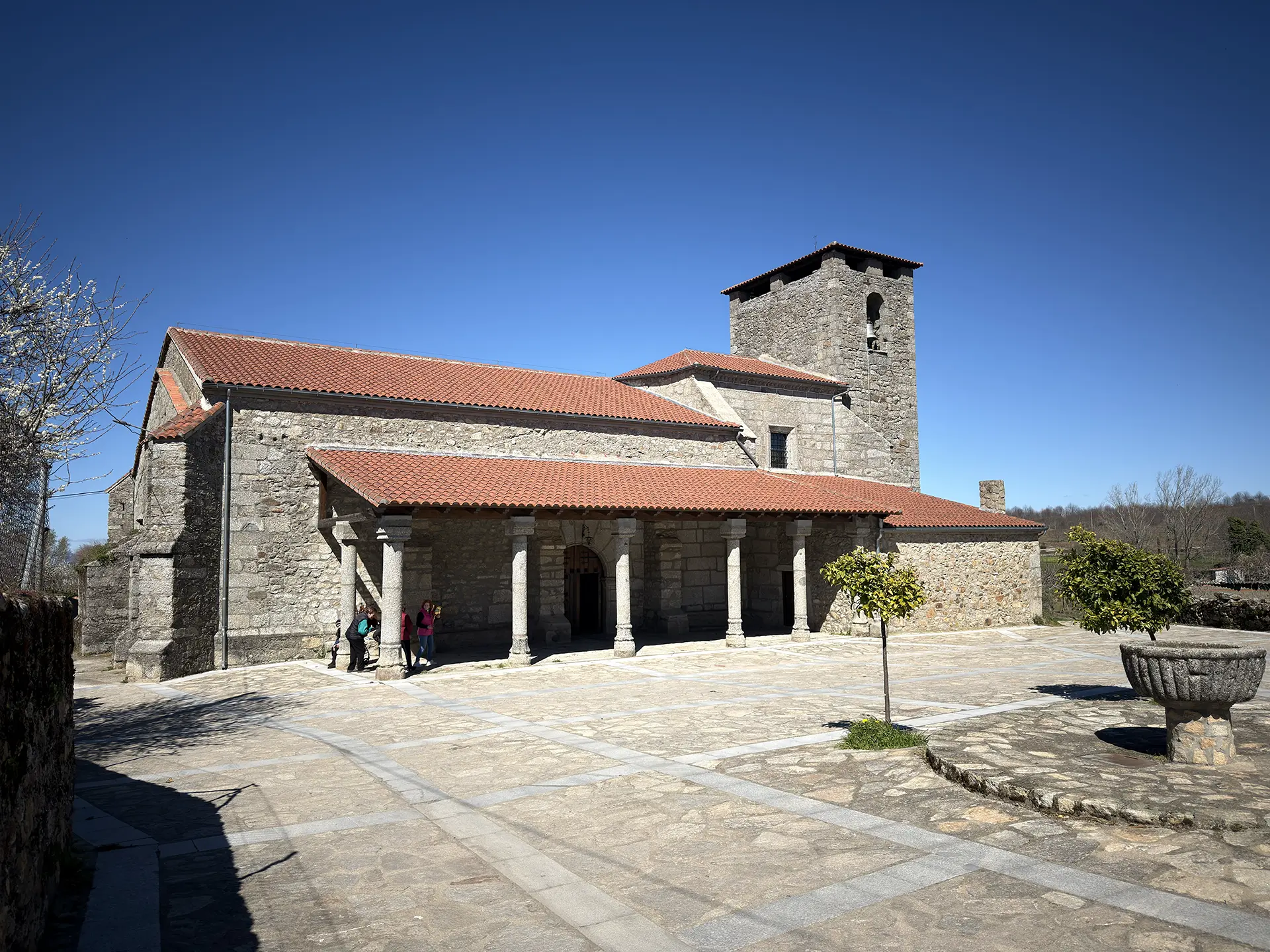
16TH CENTURY
Church of Ntra. Sra. de la Asunción
The earliest documents of this parish date from 1551, though its walls bear alterations from every era. The vault of the main chapel, the work of Juan de Kigal in 1566, remains intact. The main altarpiece, blessed by Bishop D. Frutos Bernardo de Gala between 1642 and 1663, was gilded by master craftsmen Marcos de Paredes and Pedro de Córdoba of Plasencia. The organ built in 1688 was a musical jewel that time did not spare. Generations of Lagunilla's residents have been its principal benefactors: it is not just a historic building, it is the fruit of the collective effort of a people who have never stopped caring for what they consider their own.
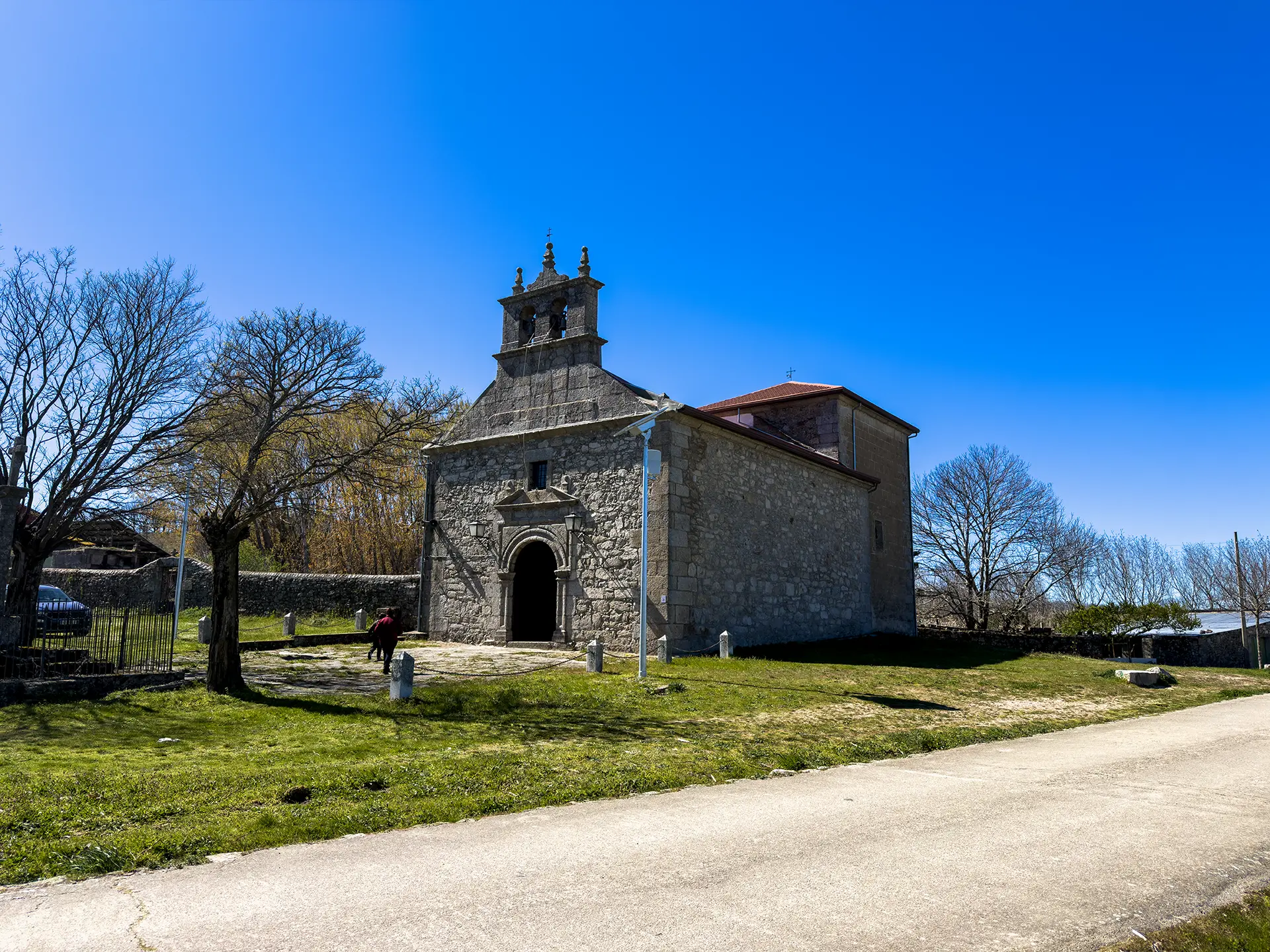
16TH CENTURY
Chapel of the Holy Christ
Built in 1556 by the Brotherhood of the Veracruz, it was originally called the Cristo del Humilladero. Inside it housed a beautiful 15th-century wooden carving that soon became the devotional heart of the village. When a typhus epidemic ravaged the region between 1698 and 1699, Lagunilla was barely affected. Grateful, its residents gave the chapel the name by which it is known today. Every 14 and 15 September the whole village gathers here to celebrate and give thanks to its protector and comfort through the centuries.
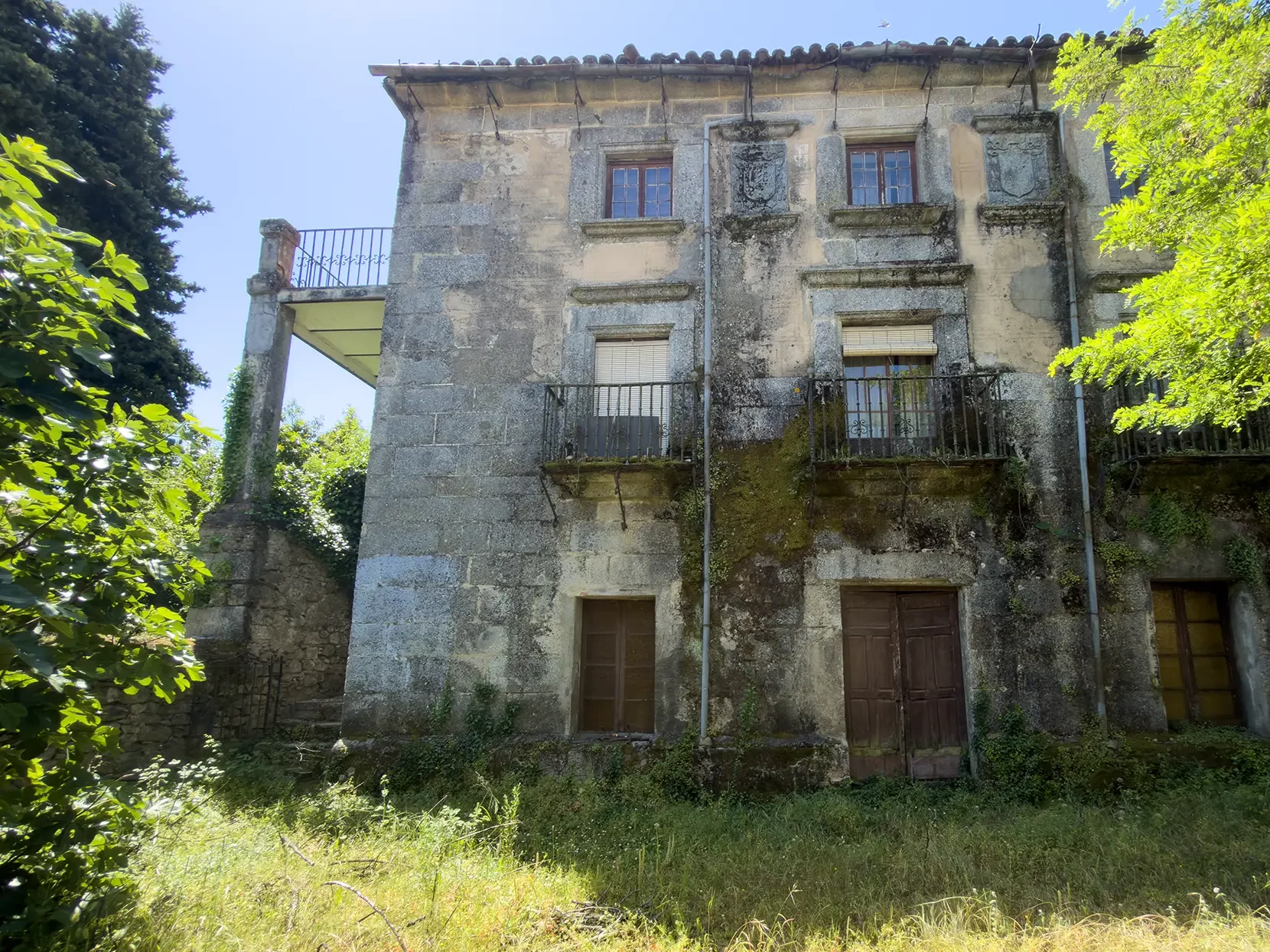
17TH CENTURY
Bishop's Palace
In 1686 the Bishop of Coria, Don Juan de Porras, was so taken with the Lagunilla landscape that he bought some houses, tore them down and built a palace fit for a bishop to live in. Besides serving as his summer residence, from here he founded parishes in Las Hurdes and built bridges for the region. After his death in 1704 the palace remained a summer residence for bishops, and in the 1920s King Alfonso XIII dined in its glazed viewpoint room during his trips to Las Hurdes. In 1966 it was sold to a local resident and has been privately owned ever since, though its history still runs through every stone.
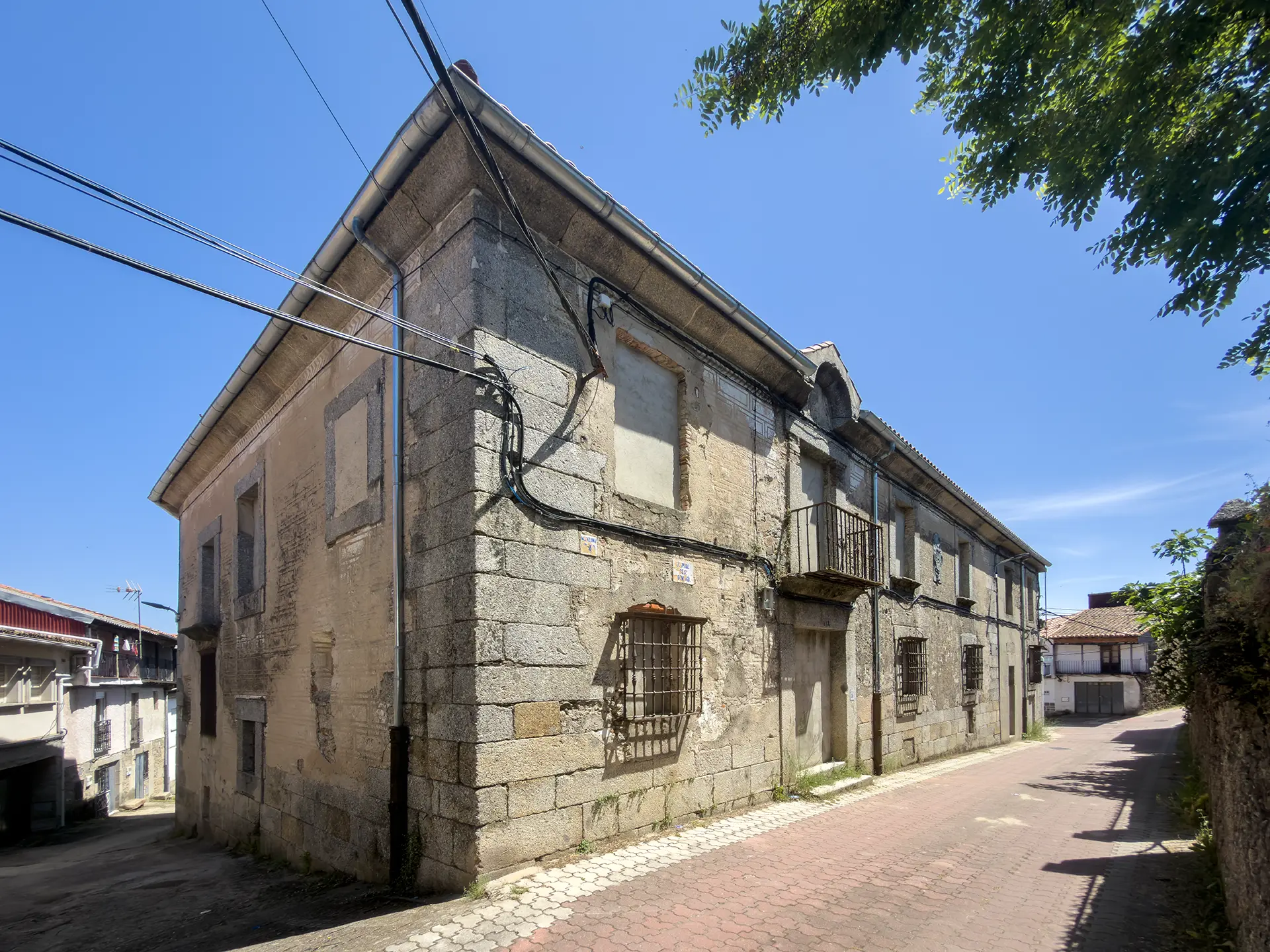
17TH CENTURY
Hospital de Santo Domingo
In 1695 Doña Aldonza de Porras decided that Lagunilla needed a hospital. She sold her own jewels and properties in Cádiz to buy the estate of the Marquis of Santa Cruz and build a refuge for the poor, the sick and soldiers. During the Peninsular War it sheltered the wounded while the French plundered the surrounding area. In 1895 Franciscan nuns revived it, adding infant schools. It operated as a hospital-asylum with 26 beds until 1945, when the institution moved to Las Hurdes. Its memory lives on in the public washhouse known as the caño de las monjas (the nuns' spring).
LIVING HERITAGE
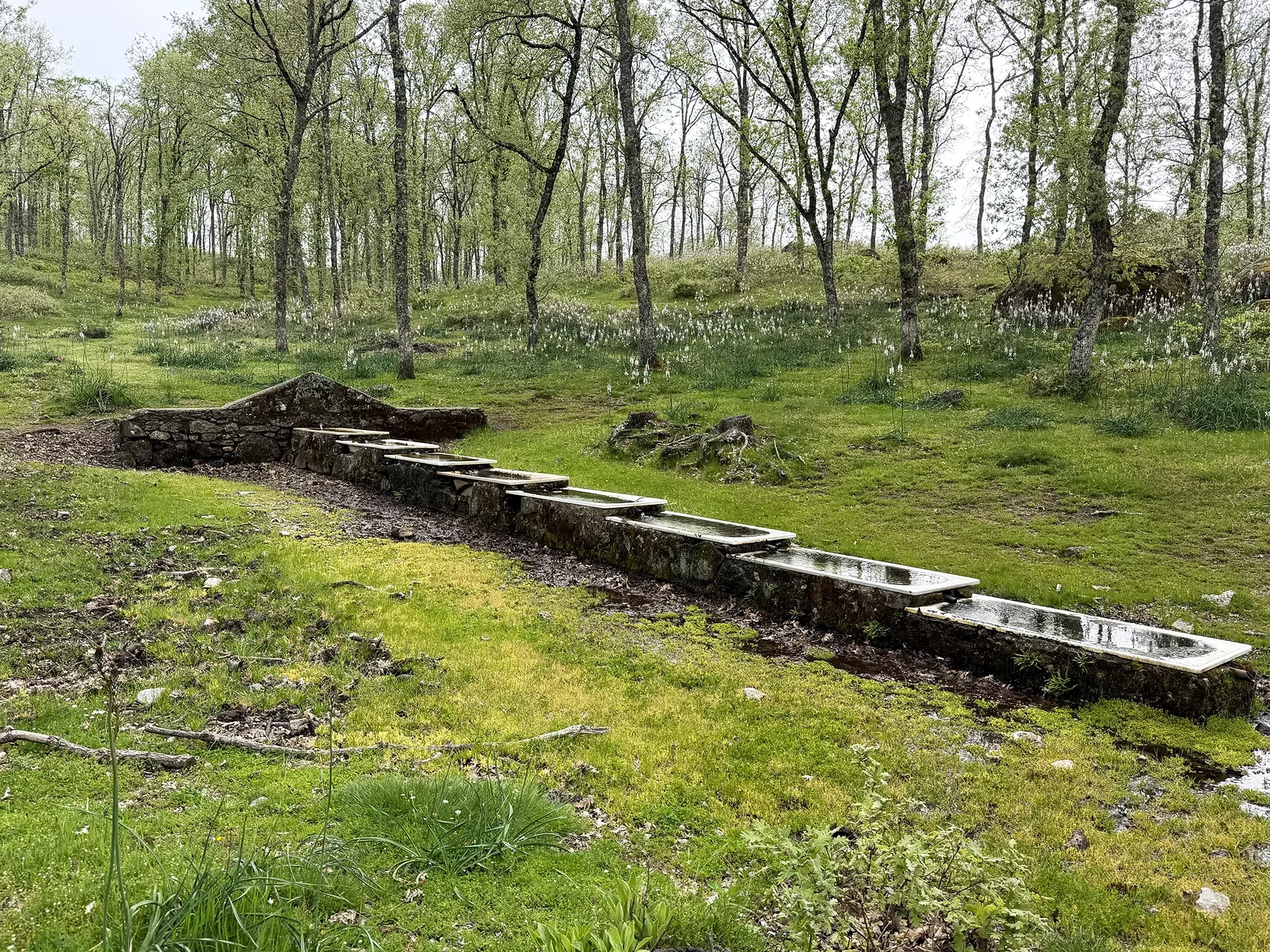
Fountains of Lagunilla
Water has always been the great protagonist of Lagunilla, as its very name recalls. Throughout the village and its trails, fountains, water troughs and washhouses appear one after another — for generations the social heart of rural life. Here jugs were filled, clothes were washed and the day's news was shared. Some have been restored and retain all their original charm; others, like those lining the descent to the Cuerpo de Hombre river, emerge among ferns and chestnut trees as a natural part of the landscape. A living heritage that invites you to explore it at a leisurely pace.
20TH CENTURY
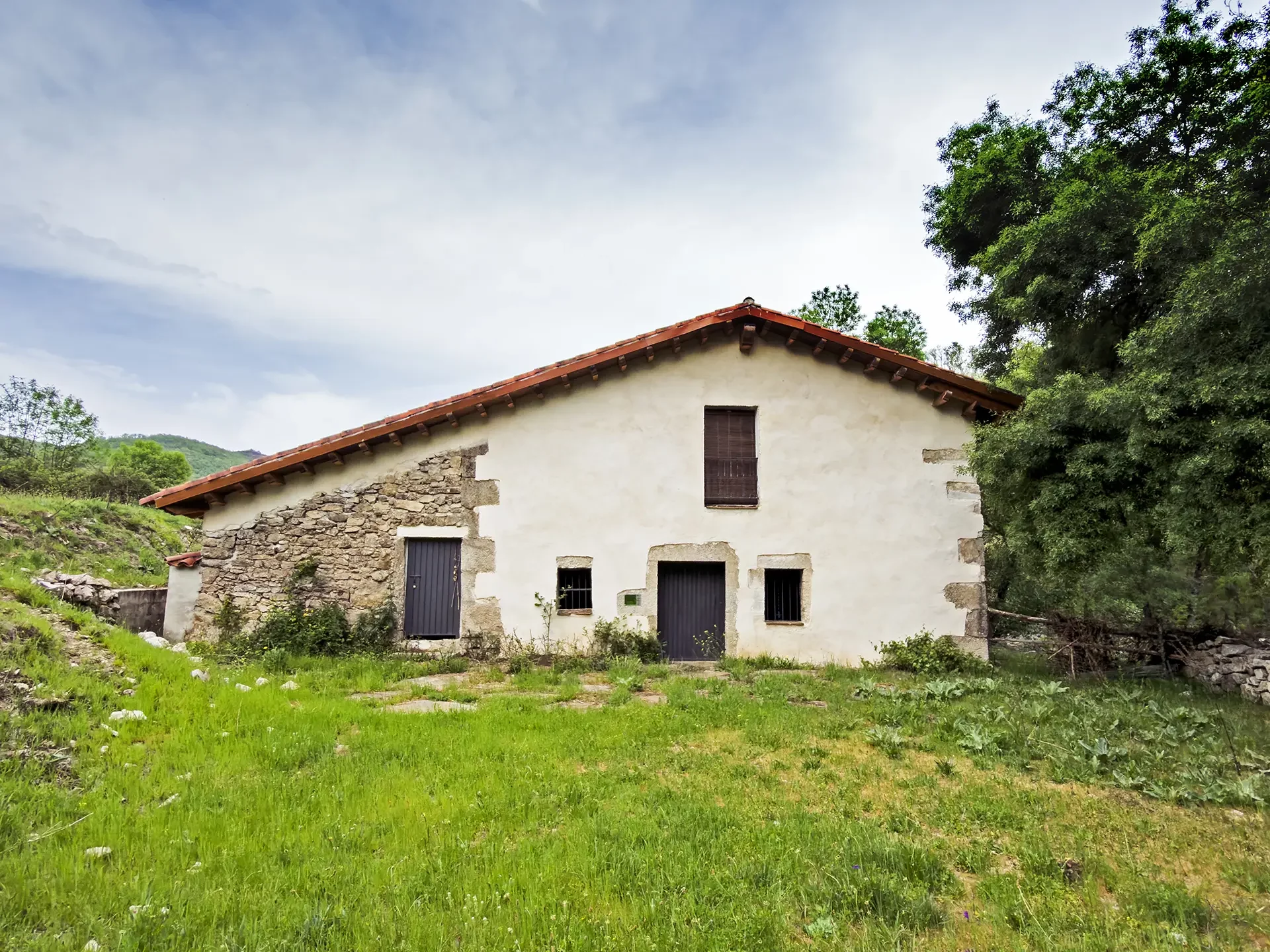
Fábrica de Luz (Power House)
Beside the stepping stones of the Cuerpo de Hombre river stands the old power house that supplied Lagunilla with electricity until the 1960s. Restored and reclaimed as village heritage, it is one of the most distinctive testimonies to the sierra's industrial history. The sound of the river that powered it, the mechanisms that turned the flow of water into light for the village's homes — all of this is part of a collective memory that can now be relived on a visit to the site with a 360° tour.
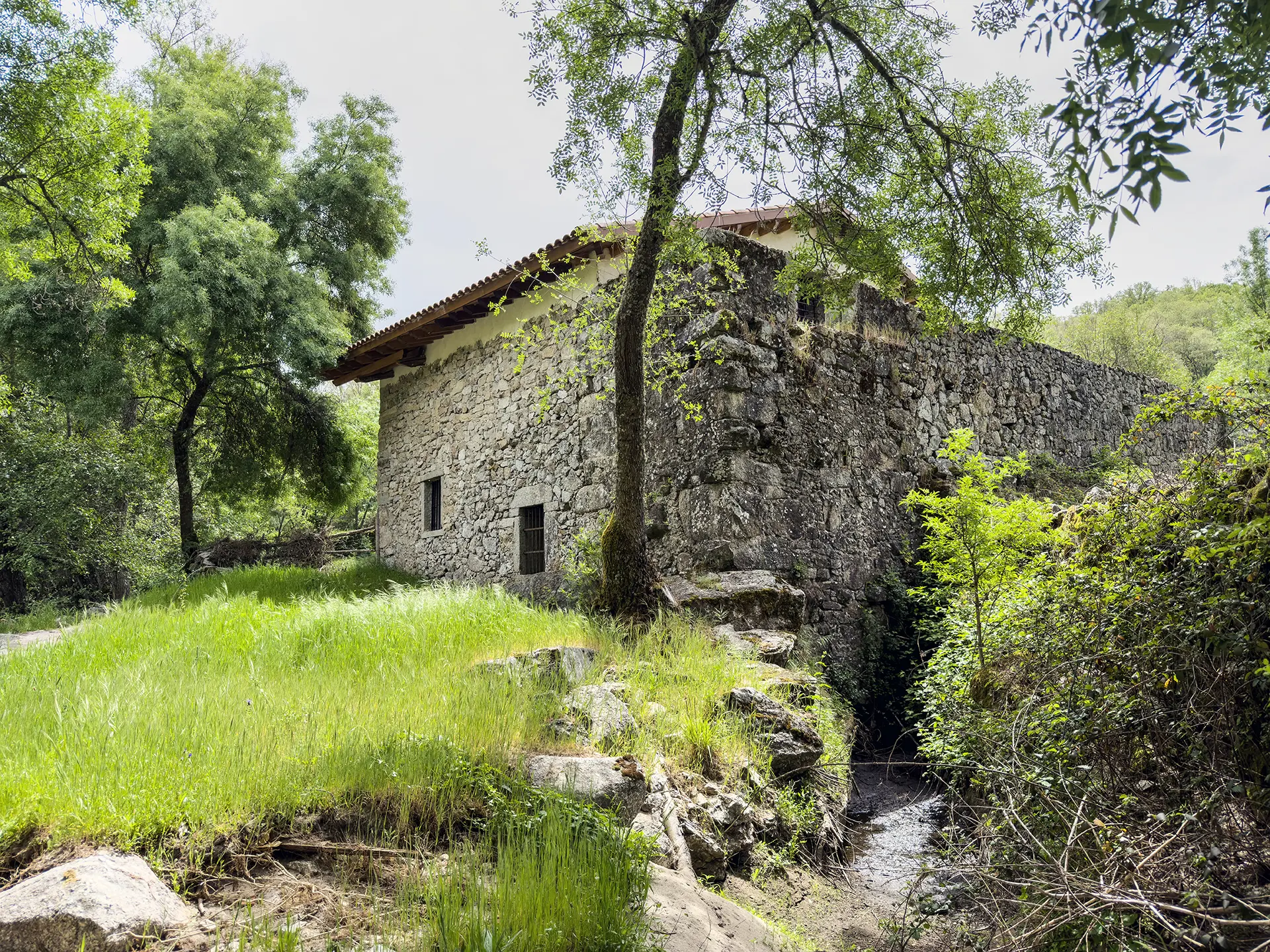
Fábrica de Luz
Beside the Cuerpo de Hombre river stands the old power station that supplied Lagunilla with electricity until the 1960s. Explore its spaces in an immersive 360° tour.
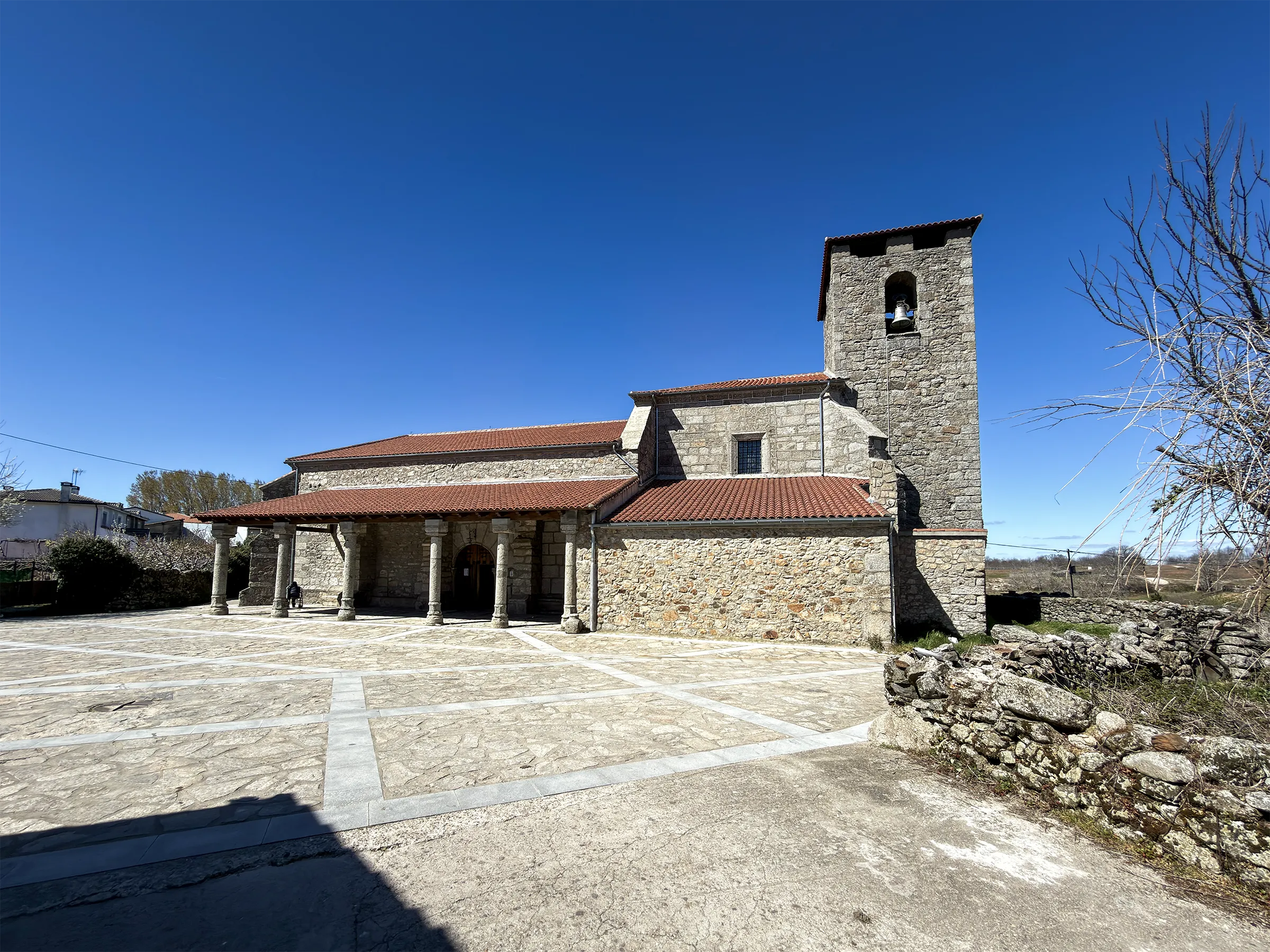
Church of
Ntra. Sra. de la Asunción
More than four centuries of history within stone walls. Explore the interior of Lagunilla's church in a 360° tour and discover the altarpieces, the vault and the corners that time has preserved.